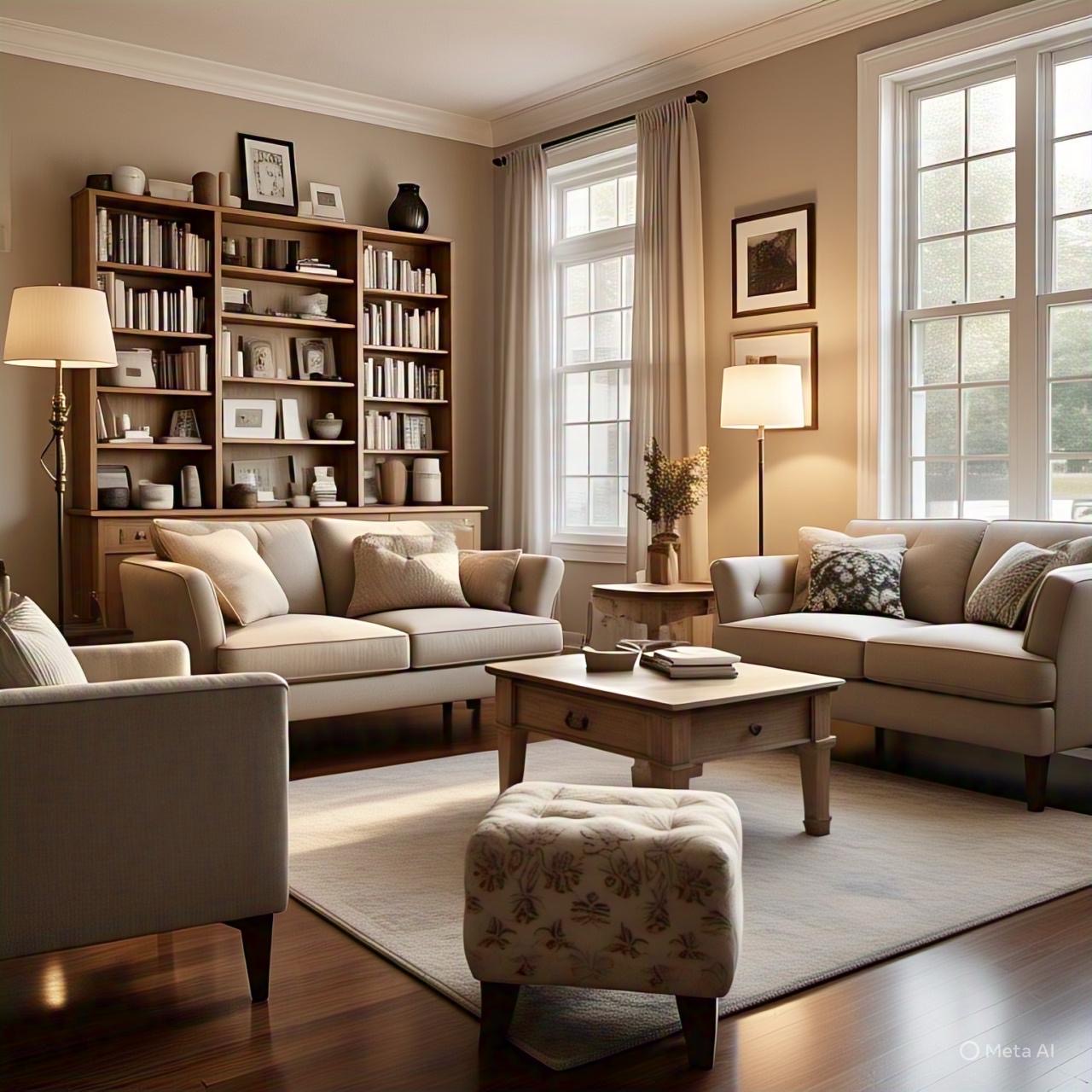
Living Room Interior Planning
Your living room is more than just a space—it’s where life happens. This space deserves special attention in your home interior plan, from hosting guests to unwinding with family. Whether you’re starting from scratch or renovating, thoughtful planning can help you create a living room that’s stylish, functional, and uniquely you.
In this comprehensive guide, we break down every aspect of living room interior planning for Indian homes, using smart tips, trending ideas, and a step-by-step approach.
1. Define the Purpose of Your Living Room
Before jumping into furniture or colors, ask yourself: What is your living room for?
Common Use Cases:
- A formal area to entertain guests
- A casual family room for TV and games
- A multifunctional space with a dining corner or home office
💡 Pro Tip: In Indian homes, the living room is often a family lounge. Prioritize comfort, durability, and flexibility in your design.
2. Plan the Layout Based on Room Size & Shape
The layout is the backbone of your living room interior. It decides flow, accessibility, and comfort.
Popular Layout Ideas:
- L-shaped layout: Great for open-plan homes; divides space naturally.
- Symmetrical layout: Perfect for formal, balanced aesthetics.
- Floating furniture layout: Ideal for large living rooms; creates zones.
- Wall-focused layout: Useful when space is limited; anchor furniture around a wall-mounted TV or console.
💡 Design Tip: Use masking tape to outline furniture on the floor before buying—it helps visualize spacing and scale.
3. Choose the Right Furniture – Size, Function & Style
Invest in furniture that serves your space without overwhelming it.
Essentials:
- Sofa/Sectional: Choose size based on room proportions (2-seater, L-shaped, or recliner sets).
- Coffee Table: Keep it proportionate—ideally 2/3 the size of the sofa.
- TV Unit: Wall-mounted or freestanding based on storage needs.
- Accent Chairs/Ottomans: Add for extra seating without bulk.
💡 Pro Tip: Pick multi-functional furniture for small living rooms—like a storage ottoman or nested coffee tables.
4. Select a Cohesive Color Scheme
Your living room’s color palette sets the mood. Choose one dominant base color, one secondary, and one accent.
Trending Indian Living Room Colors:
- Neutral tones with jewel-toned accents (like beige + emerald green)
- Earthy browns with terracotta or rust highlights
- Warm greys with pops of mustard or navy blue
- Two-tone wall combinations (light top, darker bottom)
💡 Design Tip: Choose colors based on natural light—cool colors work in sunlit rooms, while warm tones suit dim areas.
5. Get the Lighting Right – Layered Approach
A well-lit living room feels bigger, warmer, and more inviting.
Three-Layered Lighting:
- Ambient Lighting: Ceiling lights, recessed lighting, or chandeliers
- Task Lighting: Floor lamps or table lamps near seating zones
- Accent Lighting: LED strips, spotlight for artwork, or cove lighting
💡 Smart Tip: Use dimmable LED lighting or smart bulbs for adjustable moods throughout the day.
6. Style the Walls Thoughtfully
Walls are like blank canvases—make them personal, not cluttered.
Wall Decor Ideas:
- Floating shelves with books and decor
- One large piece of art or a gallery wall
- Decorative wall panels or textures (like brick, veneer, or wallpaper)
- Mounted planters or vertical gardens
💡 Design Tip: Create a feature wall behind the TV or sofa using color, texture, or design elements.
7. Add Warmth with Fabrics and Textures
Soft furnishings add comfort and character to your living space.
Must-Haves:
- Curtains or blinds (opt for full-length drapes in light-filtering fabrics)
- Cushions and throws to add pops of color
- Area rugs to define seating zones and add warmth
💡 Design Tip: Mix materials—velvet, cotton, jute, and linen—to add depth without adding clutter.
8. Introduce Natural Elements for Balance
Incorporating nature into your interiors makes your living room calmer and more grounded.
Nature-Inspired Touches:
- Indoor plants like fiddle fig, areca palm, or snake plant
- Wooden elements (coffee table, lamp base, open shelves)
- Stone or terracotta accessories
💡 Vastu Tip: Place plants in the east or north direction to improve positivity.
9. Personalize with Thoughtful Decor
Your living room should reflect your story—your travels, memories, and tastes.
Decor Suggestions:
- A personal art collection or DIY wall art
- Handmade Indian crafts or pottery
- Bookshelves with curated decor
- Spiritual or cultural elements (like a wall-mounted mandir or Buddha statue)
💡 Budget Tip: Use a mix of high-end pieces with budget-friendly accents from local markets or online decor brands.
10. Don’t Forget Storage and Functionality
A beautiful living room must also be practical for daily life.
Smart Storage Options:
- TV units with closed cabinets
- Storage ottomans and pouffes
- Coffee tables with drawers or open shelves
- Slim console tables behind sofas
💡 Space-Saving Tip: Use vertical space—floating shelves, tall cabinets, and wall-mounted organizers.
Bonus: Small Living Room Tricks
If your space is compact, here’s how to make it feel larger:
- Use mirrors to reflect light and create an illusion of space
- Stick to a light color palette
- Choose low-height furniture
- Avoid over-accessorizing
- Use transparent materials like glass or acrylic
Final Thoughts
Designing a well-planned living room doesn’t require a huge budget—just clear intent and smart choices. Whether your style is traditional, modern, or a mix of both, the key is to create a space that’s comfortable, functional, and meaningful to you.
Start by assessing your space and lifestyle needs, build a cohesive design language, and focus on quality over quantity. With this guide, you can turn your living room into the true heart of your home.

Harish Yadav is the founder of Interio Group App. It is an Home-Interiors Marketplace where customers can hire Interior businesses and designers directly. Customers can get quotes for their interior needs.