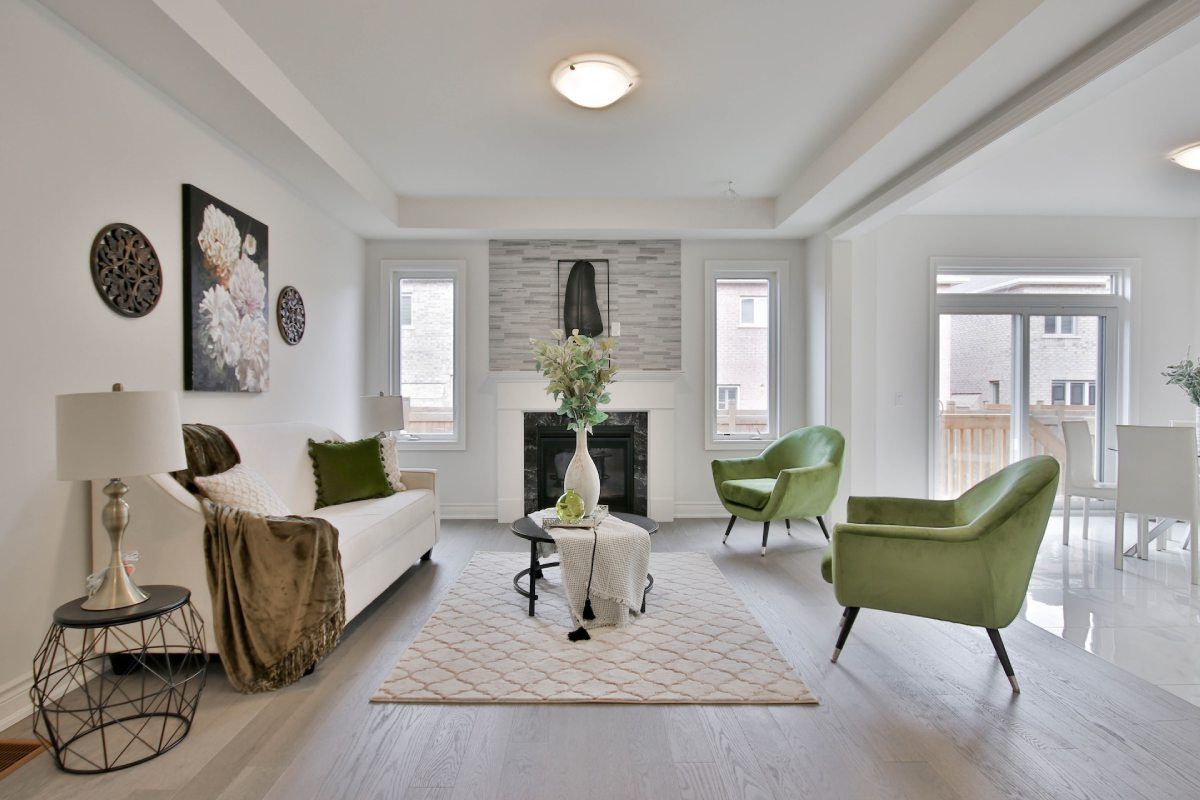
Interior Design Mistakes to Avoid in Small Homes
Designing a small home requires creativity, smart planning, and a deep understanding of space. While small homes can be cozy, functional, and beautiful, even a few interior design mistakes can make them feel cramped, cluttered, or chaotic.
Whether you’re renovating a compact apartment or styling a tiny studio, avoiding these interior design mistakes in small homes can help you maximize space, improve flow, and enhance the overall aesthetic.
1. Overcrowding the Space with Furniture
One of the biggest mistakes in small home interiors is trying to fit too much furniture into a limited space. Oversized sofas, chunky coffee tables, and extra seating can overwhelm a room and make movement difficult.
Fix:
- Opt for multi-functional furniture like a sofa-cum-bed, storage ottomans, or nesting tables.
- Choose slim, light-legged furniture that opens up visual space.
- Use vertical storage to free up floor area.
Pro tip: Measure your room before buying furniture. Scale matters more than style in small spaces.
2. Ignoring Vertical Space
Many small home designs focus only on the horizontal layout, missing out on the potential of vertical walls for storage and décor.
Fix:
- Install tall bookshelves, floating shelves, and wall-mounted cabinets.
- Use wall hooks, pegboards, or hanging organizers in entryways and kitchens.
- Add tall mirrors or vertical artwork to draw the eyes upward and create a height illusion.
3. Choosing Dark or Busy Color Schemes
Dark colors can make a small room feel even smaller. Similarly, busy patterns or heavy wallpapers can crowd a space visually.
Fix:
- Stick to light, neutral, or pastel color palettes like white, beige, light grey, or mint green.
- Use mirrors, metallics, and glass elements to reflect light and open up the space.
- Introduce patterns only in small doses—like cushions, rugs, or art.
4. Lack of Storage Planning
Without smart storage, clutter takes over quickly in a small home. Many homeowners either install too little storage or focus only on aesthetics.
Fix:
- Design custom-built-in wardrobes and modular kitchen storage to maximize utility.
- Use under-bed drawers, foldable furniture, or ceiling-hung cabinets to hide away unused items.
- Include closed storage options to prevent visual clutter.
5. Blocking Natural Light
Heavy curtains, bulky furniture near windows, or poor room layouts can block precious natural light, making a small space feel gloomy and boxed in.
Fix:
- Keep window treatments light and breezy—like sheers, blinds, or linen drapes.
- Arrange furniture to leave windows open and accessible.
- Use glass partitions or reflective surfaces to let light bounce throughout the home.
6. Overusing Open Shelves
Open shelving looks minimalistic, but in small homes, it can backfire quickly by accumulating visual clutter.
Fix:
- Use open shelves sparingly, and ensure they are well-curated.
- Mix open and closed storage—like kitchen cabinets with frosted glass or living room consoles with doors.
- If you love the open look, maintain organization and consistency in displayed items.
7. Not Defining Functional Zones
In small apartments or studio layouts, skipping clear zoning leads to a chaotic look and poor space utilization.
Fix:
- Use rugs, partial dividers, or open shelving units to subtly define areas like living, dining, or work zones.
- Create compact yet clear layouts that allow for easy flow between functions.
- Incorporate foldable partitions or curtains to separate areas when needed.
8. Choosing Style Over Practicality
Many homeowners fall for trending interior styles or impulse buys that don’t fit their lifestyle or available space.
Fix:
- Focus on function-first design. Ask: Will this piece fit? Can it serve multiple purposes?
- Avoid fragile décor in high-use spaces and bulky décor in narrow rooms.
- Keep the layout clean and intuitive before adding personality through accents.
9. Neglecting Lighting Design
Good lighting can dramatically change how a small home feels. Relying only on a ceiling tube light or one pendant fixture is a missed opportunity.
Fix:
- Layer lighting with a mix of ambient (ceiling), task (lamps), and accent (LED strips or spotlights).
- Add under-cabinet lights in kitchens, mirror lights in bathrooms, and floor or table lamps in living areas.
- Use dimmers or warm white lighting to create cozy moods without adding bulk.
10. Skipping Mirrors and Reflective Surfaces
Mirrors are an interior designer’s best friend in small spaces. Skipping them means missing a major opportunity to add light and depth.
Fix:
- Install a large mirror on one wall to instantly double the perceived size of the room.
- Use mirrored furniture or glossy tiles in kitchens and bathrooms.
- Place mirrors opposite windows or light sources to amplify brightness.
11. Using Rugs That Are Too Small
Many homeowners buy rugs that are too small for the room, making the space feel disjointed and cramped.
Fix:
- Choose rugs that fit under all furniture legs in a zone (e.g., under the sofa and coffee table).
- Use larger area rugs to create a unified look in open-plan spaces.
- For very compact rooms, try custom rugs or modular carpet tiles.
12. Over-Decorating Walls
In a small home, cluttered walls can add visual noise and reduce the sense of space.
Fix:
- Limit wall décor to one or two focal pieces per room.
- Use gallery walls wisely—prefer tight groupings with consistent frames.
- Let some walls breathe to create negative space, which adds balance.
Bonus Tip: Plan Before You Buy
Impulse furniture or décor purchases can become space-wasting regrets. Always:
- Measure your space (including wall height, window placement, and door swing)
- Make a layout plan on paper or with design software
- Think through daily functionality, especially storage and movement
Final Thoughts
Small homes have the potential to be stylish, smart, and incredibly efficient, but only when they’re designed thoughtfully. Avoiding these common interior design mistakes in small homes can drastically improve your quality of life, maximize usable space, and enhance aesthetics.
Instead of forcing your home to match a Pinterest trend, focus on your lifestyle, storage needs, lighting, and movement flow. And remember: in small homes, less is often more—every item should serve a purpose or bring joy.

Harish Yadav is the founder of Interio Group App. It is an Home-Interiors Marketplace where customers can hire Interior businesses and designers directly. Customers can get quotes for their interior needs.