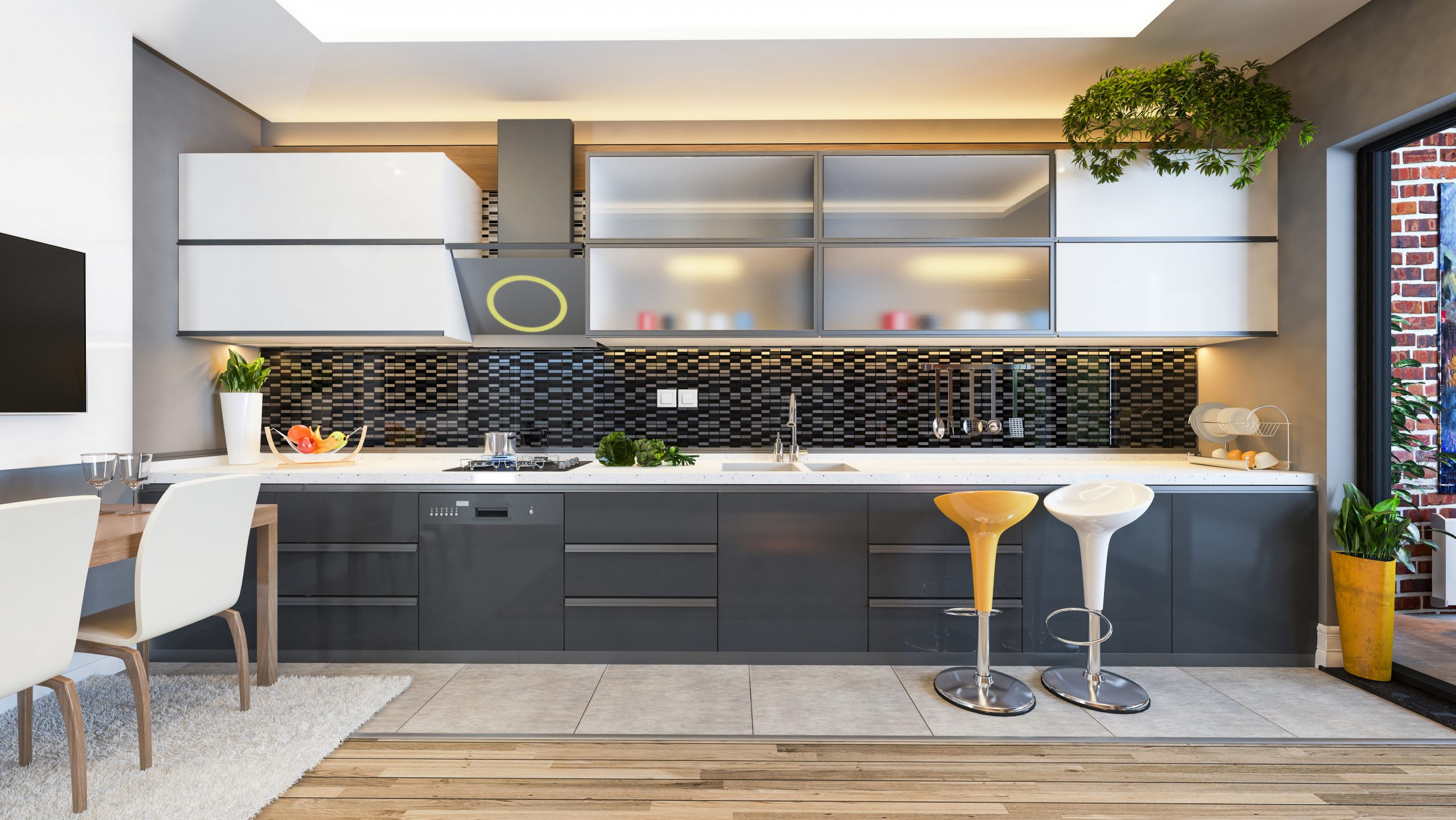
Glass Shutters vs. Acrylic Shutters
When designing a modular kitchen, aesthetics are just as important as functionality. And one design element that can dramatically affect both is the choice of cabinet shutters—the visible faces of your kitchen units. Among the most popular and premium options today are glass shutters and acrylic shutters.
Both materials bring their own set of advantages in terms of style, durability, and maintenance. But which is better for your modular kitchen? In this article, we’ll do a detailed, side-by-side comparison of glass shutters vs. acrylic shutters to help you make an informed choice.
What Are Glass Shutters?
Glass shutters are kitchen cabinet fronts made using tempered (toughened) glass fixed onto aluminum or stainless-steel frames, or bonded to MDF or plywood backing. They are available in:
- Clear glass
- Frosted glass
- Tinted or back-painted glass
- Textured or lacquered glass
Key Features:
- Sleek and glossy finish
- Available in both see-through and opaque styles
- Scratch-resistant (especially toughened glass)
- Reflects light to brighten the kitchen space
What Are Acrylic Shutters?
Acrylic shutters are made by applying a layer of acrylic sheet (a high-gloss plastic-like material) onto MDF, HDF, or plywood boards. These shutters are known for their mirror-like gloss, smooth texture, and vibrant color options.
Key Features:
- High-gloss, reflective surface
- Seamless, smooth appearance
- UV-stable and colorfast
- Available in solid colors or metallic tones
Glass vs. Acrylic Shutters: A Detailed Comparison
| Feature | Glass Shutters | Acrylic Shutters |
|---|---|---|
| Aesthetic Appeal | Modern, glossy, premium look | Vibrant, sleek, ultra-glossy |
| Transparency Options | Available (clear, frosted, tinted) | Always opaque |
| Scratch Resistance | High (especially with toughened glass) | Moderate – can scratch over time |
| Color Options | Limited but classy | Wide range of bold, vibrant colors |
| Durability | Excellent – doesn’t warp or fade | Easy to clean, but shows fingerprints easily |
| Maintenance | Easy to clean, stain-resistant | Easy to clean,n but shows fingerprints easily |
| Cost | More expensive (especially custom designs) | Slightly more affordable |
| Weight | Heavier – needs sturdy hinges | Lightweight and cabinet-friendly |
| Installation | Requires expert handling | Easier to install, faster turnaround |
| Heat Resistance | High (especially with toughened glass) | Moderate – may deform near heat sources |
Aesthetic and Design Flexibility
Glass Shutters:
- Ideal for contemporary, minimalistic kitchens
- Lacquered or back-painted glass provides depth and shine
- Frosted or tinted glass allows partial visibility into cabinets
- Pairs well with metal or glass backsplash
Acrylic Shutters:
- Best suited for modern and vibrant modular kitchens
- Available in a wide palette of colors, including whites, reds, blues, greys, and metallics
- Seamless edges and smooth surfaces make the kitchen look clean and futuristic
Verdict: If you’re aiming for elegance and light-enhancing finishes, go for glass. For color pop and uniform glossy surfaces, acrylic is better.
Durability and Longevity
Glass:
- Toughened glass is resistant to scratches and heat
- Doesn’t warp or delaminate
- Can shatter under heavy impact, though rare
Acrylic:
- Durable and lightweight, but can scratch easily
- Susceptible to edge chipping or peeling over time if not handled well
- Less heat-resistant than glass
Verdict: Glass shutters have a longer life with minimal wear and tear if you’re okay with the weight. Acrylic shutters need gentle care to retain their glossy look.
Maintenance and Cleaning
Glass:
- Easy to wipe clean with a glass cleaner or a damp cloth
- Resistant to stains, grease, and splashes
- Doesn’t hold fingerprints much (especially frosted types)
Acrylic:
- Also easy to clean, but shows fingerprints and smudges more easily
- Needs regular wiping with microfiber cloths
- Avoid harsh chemicals to prevent surface dulling
Verdict: Glass wins in terms of maintenance, especially in high-usage Indian kitchens prone to oil and spice splashes.
Cost and Budget Considerations
- Glass shutters (especially toughened or lacquered ones) tend to be 20–40% more expensive than acrylic shutters.
- Acrylic shutters are more budget-friendly while still giving a premium look.
That said, both are considered high-end materials compared to laminate or membrane shutters.
Best Use Cases
Choose Glass Shutters if:
- You want a premium, reflective finish
- You’re okay with a slightly higher budget
- You want a durable, easy-to-clean material
- You like partially see-through or frosted cabinet doors
- You have a modern, sleek kitchen design
Choose Acrylic Shutters if:
- You love bold color choices and ultra-gloss finishes
- You’re working with a mid-to-premium budget
- You want a warm yet modern kitchen
- You need lighter cabinet doors for easier operation
- You prefer quick installation and ease of customization
Pros and Cons Summary
✅ Pros of Glass Shutters:
- Classy and elegant appearance
- Highly durable and scratch-resistant
- Ideal for moisture-prone areas
- Easy maintenance and cleaning
❌ Cons:
- Heavy – needs strong hinges
- Slightly more expensive
- Can break under heavy impact
✅ Pros of Acrylic Shutters:
- Bright, bold, and seamless finish
- Light in weight and easy to install
- More affordable than glass
- Good color retention
❌ Cons:
- Prone to scratches and fingerprint marks
- May fade or peel over time if low quality
- Less resistant to heat
Glass + Acrylic: The Hybrid Approach
Many homeowners are now opting for a hybrid kitchen design:
- Use glass shutters on top cabinets for elegance and display
- Use acrylic shutters for bottom cabinets to avoid smudges and reduce costs
This not only balances aesthetics and functionality but also adds a layered texture to your modular kitchen design.
Frequently Asked Questions (FAQs)
Q1. Which is more durable – glass or acrylic shutters?
Glass, especially toughened or lacquered, is more durable and long-lasting. Acrylic is sturdy but prone to surface scratches.
Q2. Are glass shutters safe in kitchens?
Yes. Tempered or toughened glass is heat-resistant and does not shatter easily. Always insist on ISI-certified toughened glass.
Q3. Which is more modern – glass or acrylic?
Both are modern materials. Glass is sophisticated and reflective, while acrylic is bold and trendy.
Q4. Do acrylic shutters peel or fade?
Only low-quality acrylics tend to fade or delaminate. Always go for UV-treated and high-gloss branded acrylics.
Final Verdict: Which Is Better?
✔️ Choose Glass Shutters if:
If you want a timeless, elegant, and low-maintenance look for your kitchen, glass is ideal for those who prioritize durability and cleanliness.
✔️ Choose Acrylic Shutters if:
You love a vibrant, colorful, and modern kitchen, and are okay with some upkeep to maintain the glossy shine.
Ultimately, both options are great for modular kitchens—your choice depends on your lifestyle, design preference, and budget.

Harish Yadav is the founder of Interio Group App. It is an Home-Interiors Marketplace where customers can hire Interior businesses and designers directly. Customers can get quotes for their interior needs.