Shower Vs. Bathtub: What’s Better For A Modern Bathroom?
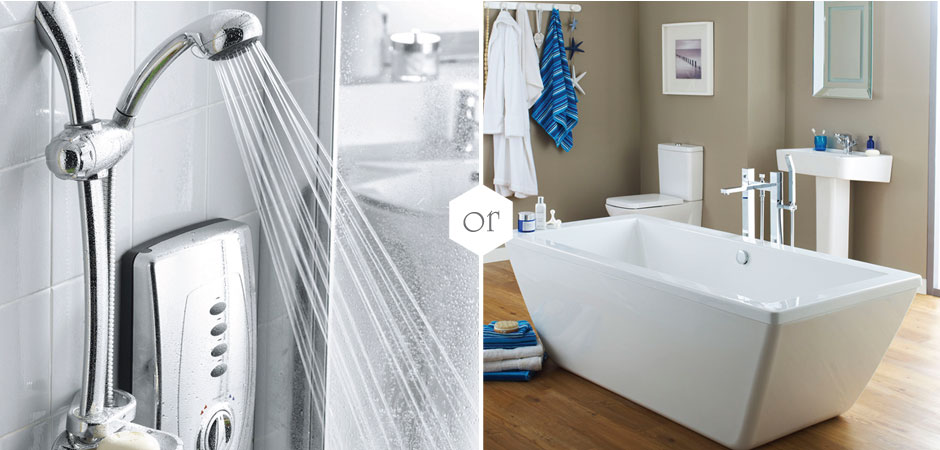
Executive Summary
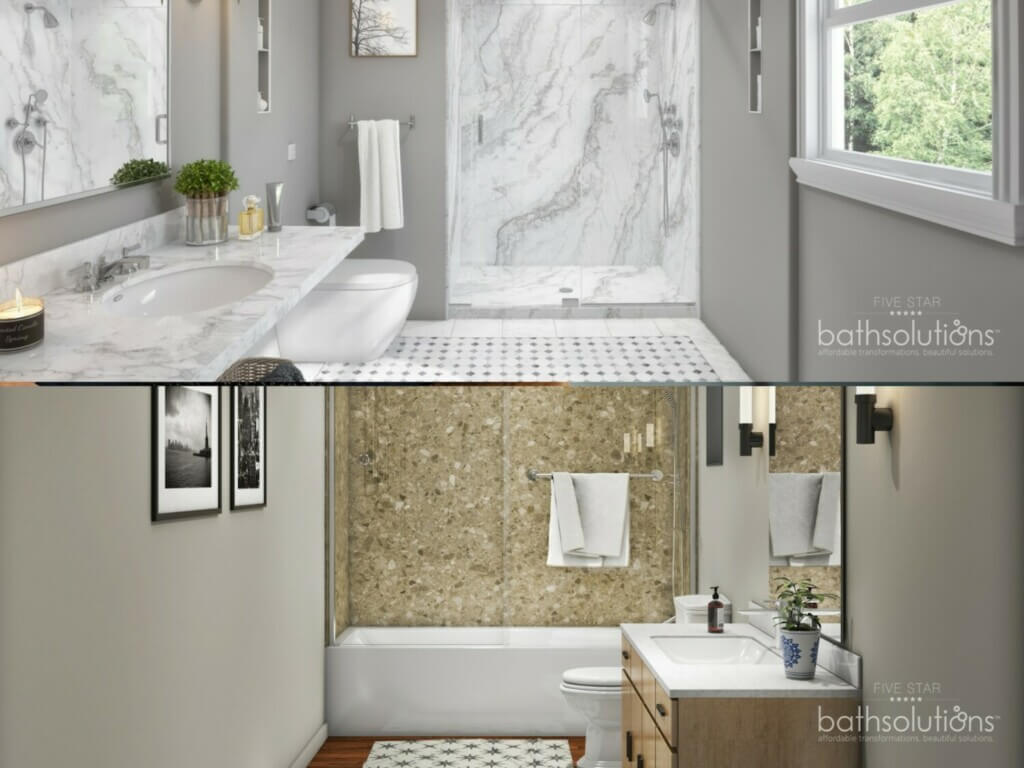
Choosing between a shower and a bathtub for your modern bathroom is a significant decision impacting both functionality and aesthetics. This comprehensive guide delves into the pros and cons of each, considering factors like space constraints, lifestyle, budget, accessibility, and maintenance. We’ll explore various styles and features to help you make an informed decision that best suits your needs and enhances the overall appeal of your bathroom. By the end, you’ll have a clear understanding of which fixture—shower or bathtub—is the superior choice for your unique circumstances.
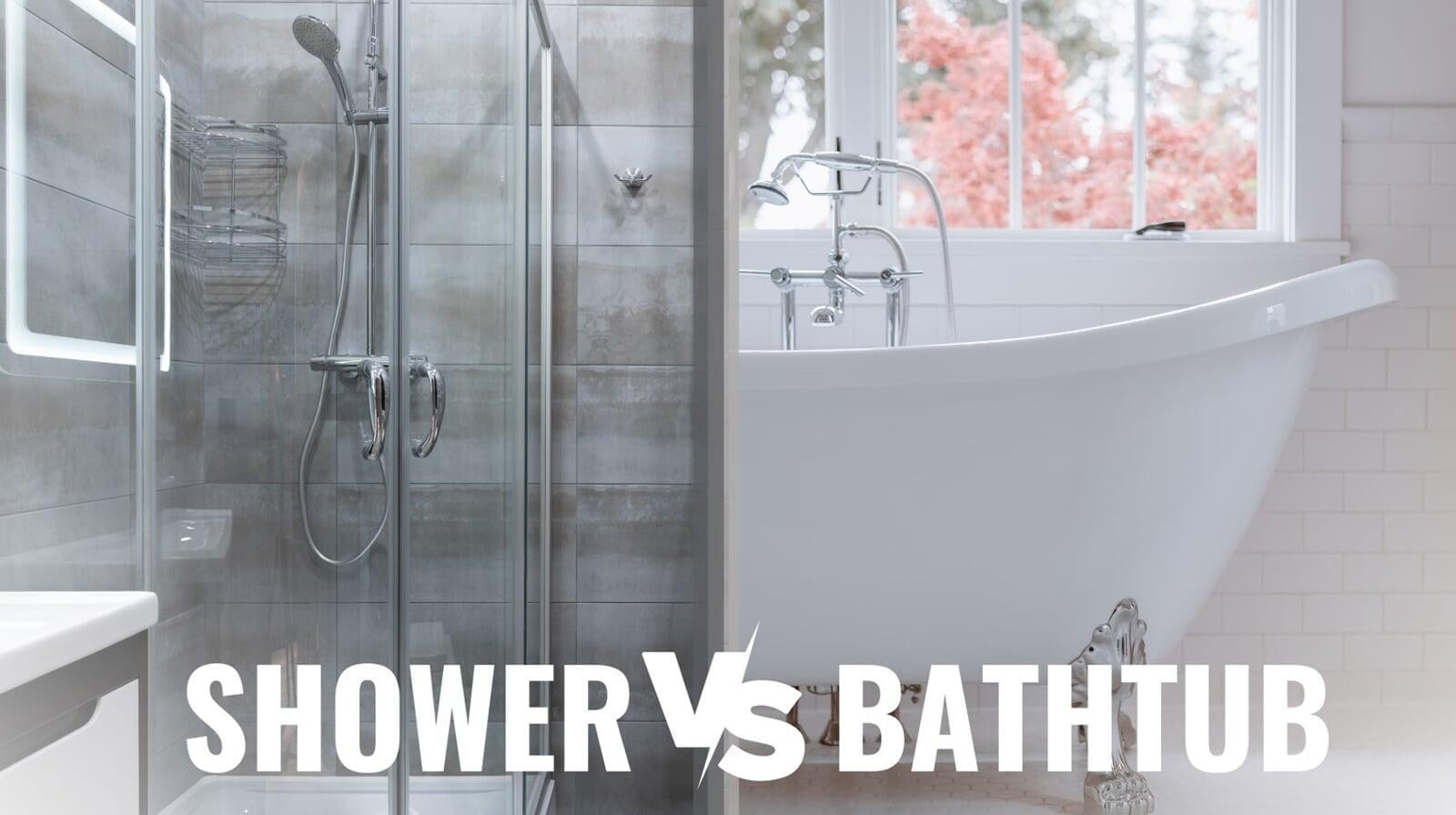
Introduction
The age-old debate: shower or bathtub? For many, it’s the cornerstone of bathroom renovation planning. Both offer distinct advantages, but the “better” option ultimately depends on individual priorities and lifestyle. This guide dissects the key considerations, empowering you to make a choice that transforms your bathroom into a sanctuary tailored perfectly to your needs. We’ll explore everything from space-saving designs to luxurious soaking experiences, helping you navigate the complexities of this crucial bathroom decision.
Frequently Asked Questions (FAQs)
- Q: Can I have both a shower and a bathtub in a small bathroom?
A: While challenging, it’s possible! Consider a smaller bathtub, a shower-tub combo, or a walk-in shower with a slim profile. Careful planning and clever design are crucial.
- Q: What’s the difference in cost between installing a shower and a bathtub?
A: The cost varies significantly depending on materials and features. A basic shower installation is generally less expensive than a high-end bathtub installation, but a simple tub can be cheaper than a luxurious shower system. Get multiple quotes to compare.
- Q: Which is easier to maintain, a shower or a bathtub?
A: Showers are generally easier to clean and maintain, requiring less scrubbing and less frequent deep cleaning than bathtubs, especially those with intricate designs or textured surfaces.
Space-Saving Solutions
Space is often the biggest constraint in modern bathroom design. Choosing between a shower and a bathtub often comes down to maximizing your available square footage.
- Walk-in Showers: These eliminate the need for a bulky shower/tub combination, freeing up significant floor space. They’re ideal for small bathrooms and offer easy accessibility.
- Corner Showers: Maximize corner space, offering a full shower experience within a smaller footprint.
- Slimline Bathtubs: These shallower tubs provide a soaking experience without consuming excessive space. They can even fit into narrow alcoves.
- Shower-Tub Combinations: While not ideal for maximizing space, these offer both options in one fixture, a compromise for those struggling to choose.
- Multi-functional Showers: Incorporate built-in seats, shelves, and other features to enhance functionality and still maintain a relatively small footprint.
- Glass Enclosures: Maximizing the use of glass to create a sense of spaciousness and airiness.
Lifestyle and Usage
Your lifestyle dictates which fixture best suits your daily routine and personal preferences.
- Frequency of Use: If baths are a rare indulgence, a shower might be the more practical choice, saving space and time.
- Family Needs: Families with young children often benefit from a bathtub for bathing babies and toddlers.
- Relaxation and Wellness: A deep soak in a bathtub can be a great way to unwind and de-stress. Consider your needs for relaxation and self-care.
- Accessibility: For individuals with mobility challenges, a walk-in shower with minimal thresholds is often essential for safety and independence.
- Personal Preferences: Ultimately, the best choice is the one that best aligns with your personal preferences and how you envision using your bathroom. Consider your personal ritual and what you value most in your bathroom experience.
- Consider guest usage: If you often have guests who prefer baths, a combination shower/tub unit might be a worthwhile option.
Budget and Cost Considerations
The cost of installing a shower or bathtub can vary greatly depending on the materials, fixtures, and labor involved.
- Material Choices: Tile, acrylic, stone, and other materials have varying price points. Budget-friendly options include acrylic and fiberglass, whereas stone and ceramic tile are more expensive.
- Installation Costs: Installation costs will factor in the cost of demolition, plumbing, electrical work (for lighting and ventilation), and finishing.
- Fixture Prices: Showerheads, faucets, tub fillers, and other fixtures range in cost from budget-friendly to luxury.
- Maintenance Costs: Consider long-term maintenance costs; some materials require more upkeep than others.
- Resale Value: A modern, well-appointed bathroom can increase the resale value of your home, and high-quality fixtures are a part of that.
- DIY Potential: While plumbing work is usually best left to professionals, you might save money by undertaking some aspects of the installation (e.g., painting, tiling).
Design and Aesthetics
The visual impact of your shower or bathtub choice can significantly influence the overall aesthetic of your bathroom.
- Style Integration: Consider the overall style of your bathroom and choose a shower or tub that complements it. A modern bathroom might opt for a sleek walk-in shower, while a traditional bathroom might feature a claw-foot tub.
- Color Schemes: Tile color, fixture finishes, and overall color palette should create a cohesive and pleasing look.
- Lighting: Proper lighting can make a significant difference in the overall feel of the space. Accent lighting around the shower or tub can highlight their features.
- Storage: Built-in storage is invaluable for managing bathroom clutter. Integrated shelves or niches in showers or surrounding the tub can help.
- Ventilation: Good ventilation is crucial to prevent moisture buildup and mold. Adequate ventilation systems are essential, regardless of which fixture you choose.
- Accessibility features: Consider incorporating grab bars or other accessibility features for future needs. This is particularly important if you anticipate aging in place or have family members with mobility issues.
Maintenance and Cleaning
The ease of cleaning and maintenance can impact your long-term satisfaction with your choice.
- Ease of Cleaning: Showers tend to be easier to clean than bathtubs due to their simpler surfaces.
- Material Durability: Some materials are more resistant to scratches and stains than others. Consider the durability of your chosen materials to minimize maintenance.
- Water Damage: Proper sealing and waterproofing are crucial to prevent water damage and mold growth.
- Grout Cleaning: Tile grout can require regular cleaning to prevent discoloration and mildew.
- Regular Cleaning: Even with easy-to-clean materials, regular cleaning is still necessary to maintain hygiene and prevent the buildup of soap scum and mildew.
- Professional Cleaning: Consider the need for professional cleaning services over time, especially for high-end materials or intricate designs.
Conclusion
The choice between a shower and a bathtub isn’t simply a matter of personal preference; it’s a multifaceted decision driven by lifestyle, budget, space constraints, and design aesthetics. By carefully evaluating the factors discussed—space efficiency, lifestyle needs, financial considerations, visual appeal, and maintenance—you can make an informed decision that optimizes your bathroom’s functionality and enhances its overall appeal. Remember, the best choice is the one that perfectly complements your individual needs and aspirations for your dream bathroom. It’s about creating a sanctuary that reflects your style and enhances your daily well-being.
Keywords
Shower, Bathtub, Bathroom Renovation, Space-Saving Bathroom, Bathroom Design

Harish Yadav is the founder of Interio Group App. It is an Home-Interiors Marketplace where customers can hire Interior businesses and designers directly. Customers can get quotes for their interior needs.